
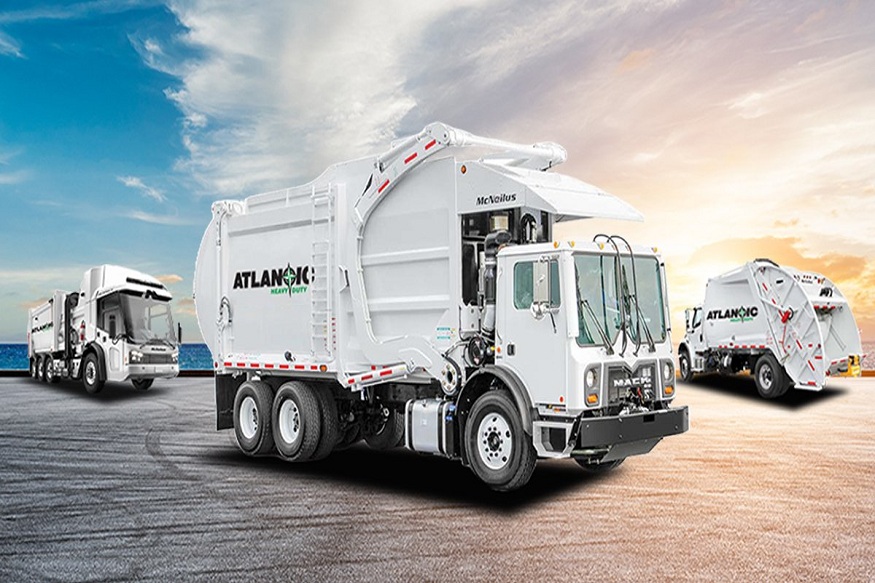
Choosing the right rear loader compactor truck is an important decision for waste management operations. Whether you’re buying for municipal services, commercial routes, or industrial waste pickup, this checklist covers the essential factors to evaluate before making a purchase. A thoughtful buying process can improve efficiency, reduce costs, and increase long‑term reliability.
Define Your Waste Collection Needs
Start by clearly identifying the type of waste you’ll collect. Residential, commercial, industrial, and bulky waste all have different characteristics. Residential waste tends to be lighter and more uniform, while industrial and bulky waste may include heavy or irregular materials. Knowing your primary use case helps you choose the right capacity, compaction system, and safety features.
Determine Appropriate Load Capacity
Load capacity is one of the most critical considerations. Rear loader compactor trucks come in various sizes, usually measured in cubic yards or cubic meters. Smaller trucks (e.g., 15–20 yd³) are ideal for narrow urban routes, while larger bodies (30 yd³ or more) work well for high‑volume commercial or industrial operations. Make sure the truck’s capacity suits your typical waste load and route length.
Evaluate Compaction Performance
The compaction system directly affects how much waste the truck can carry. Look for trucks with high compaction ratios and strong hydraulic systems that can handle heavy loads without strain. Efficient compaction reduces the number of trips to disposal sites, saving fuel and labor time. Adjustable compaction settings can also improve performance with different waste types.
Inspect Hydraulic System Quality
Hydraulic systems power the compactor and loading mechanisms. High‑quality hydraulic pumps, cylinders, and hoses improve reliability and reduce maintenance needs. Ask about component brands, service history (if used), and availability of replacement parts. A robust hydraulic system is vital for long‑term performance.
Consider Engine and Fuel Type
Engine performance affects both operational efficiency and environmental impact. Diesel engines are common for their torque and reliability, but alternative fuels like compressed natural gas (CNG) or hybrid systems may offer lower emissions and fuel costs. Choose an engine type based on your route length, fuel availability, and environmental policies in your area.
Check Chassis and Suspension Specs
The chassis provides the structural foundation for the truck. A strong, reinforced chassis and heavy‑duty suspension help withstand the stress of frequent stops and heavy loads. Review the truck’s Gross Vehicle Weight Rating (GVWR) and axle configuration to ensure it matches your intended use. Proper chassis strength improves safety and extends service life.
Evaluate Safety Features
Safety is essential for waste collection operations. Look for trucks equipped with rear‑view cameras, audible alarms, emergency stop controls, and high‑visibility lighting. Interlock systems that prevent compaction during unsafe conditions are also valuable. These features protect operators and the public during collection routes.
Review Maintenance and Service Access
Easy maintenance access reduces downtime and lowers long‑term operating costs. Check whether key components like filters, hydraulic lines, and control valves are easily reachable. Ask about recommended service intervals, warranty coverage, and whether dealer support for maintenance is available in your region.
Assess Operator Comfort and Controls
Operators spend long hours behind the wheel and working around the truck. Ergonomic controls, clear dashboards, and comfortable seating improve productivity and reduce fatigue. Consider models with intuitive control panels and adjustable features that enhance day‑to‑day operations.
Look at Telematics and Fleet Tools
Modern trucks may include telematics systems that track fuel usage, route performance, maintenance needs, and driver behavior. These tools help fleet managers make data‑informed decisions, optimize routes, and schedule preventive service. Telematics can improve efficiency and lower costs over time.
Evaluate Environmental and Regulatory Compliance
Check that the truck meets local emissions and noise regulations. Some regions require specific engine standards or alternative fuel usage. Ensuring compliance protects you from fines and supports community environmental goals.
Compare Total Cost of Ownership
Instead of focusing only on purchase price, calculate the total cost of ownership (TCO). TCO includes the initial purchase price, delivery and setup fees, fuel costs, maintenance, insurance, and depreciation. A slightly more expensive truck with stronger performance and lower operating costs can be more cost‑effective over its lifespan.
Inspect Warranties and After‑Sales Support
Strong warranties and reliable after‑sales support provide peace of mind. Confirm what is covered under warranty, such as hydraulic components, engine, and chassis. Verify that replacement parts are readily available and that trained technicians are available locally for repairs.
Conduct a Test Run or Inspection
Before finalizing the purchase, test drive the truck if possible. Evaluate how it handles typical route conditions, compaction performance, and operator visibility. If buying used, have a trusted mechanic inspect the truck thoroughly to identify any potential issues.
Finalize Documentation and Compliance
Once you’ve selected the right truck, make sure all paperwork, licensing, and compliance documentation is complete. Register the vehicle, obtain necessary permits, and keep records of warranties and service schedules for future reference.




More Stories
How consultants structure winning bids for international consortia
Top 7 Benefits Of Living In A Luxury Apartment
How to Get Rid of Construction Dust After Demolition