
Digital transformation sounds glamorous. AI initiatives. Cloud-native apps. Data analytics dashboards. Customer experience platforms.
But here is the part nobody posts about on LinkedIn: none of it works without infrastructure.
Behind every successful transformation project sits a decision that most boards barely discuss. Where does the infrastructure live?
In 2026, more CIOs are revisiting that question. And increasingly, the answer includes a colocation data center as a strategic foundation for digital transformation.
If you are leading enterprise IT, this is what you need to understand.
Digital Transformation Is an Infrastructure Story
Transformation is often framed as software modernisation.
Migrate workloads. Refactor applications. Deploy automation tools. Integrate AI.
But transformation fundamentally changes how data flows across your organisation.
Legacy systems connect to cloud services. On-premise applications interact with SaaS platforms. Customer data moves across multiple regions.
Read More: Utah Asphalt Contractor Tips for Long-Lasting Pavement
If connectivity, power reliability and scalability are weak, transformation slows down.
Infrastructure either accelerates innovation or quietly constrains it.
Why CIOs Are Reassessing Their Infrastructure Stack
Cloud-first strategies delivered agility.
But as enterprises mature in their transformation journey, cost predictability and performance consistency become more important.
Running every workload in hyperscale environments can lead to escalating operational expenditure.
At the same time, compliance requirements and security expectations have increased.
CIOs are recognising that not every workload belongs exclusively in public cloud.
A balanced architecture often includes a carrier-neutral internet data center as part of the ecosystem.
The Role of Colocation in Modern IT Strategy
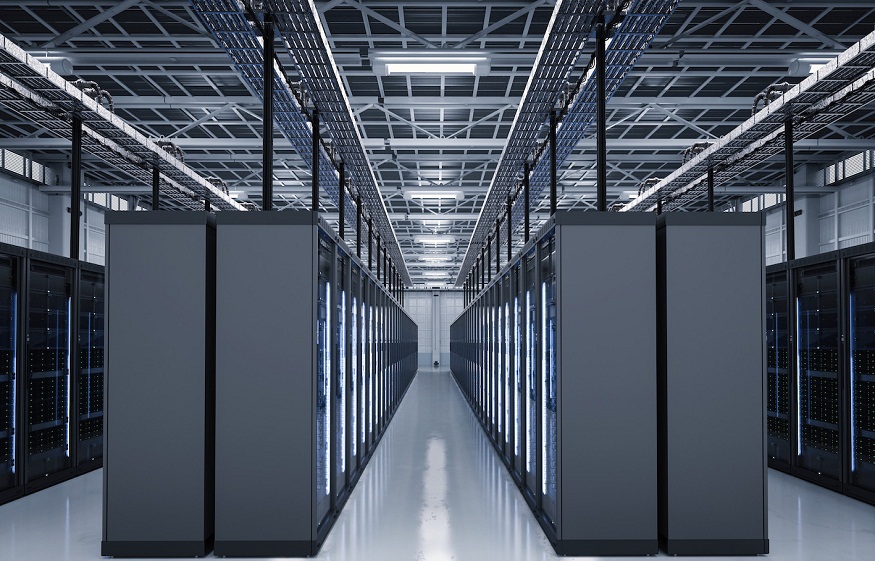
A colocation data center allows enterprises to house their own hardware inside a professionally managed facility.
This provides enterprise-grade power redundancy, cooling efficiency and physical security without the capital expense of building a private facility.
More importantly, many facilities operate as an internet data center, meaning they host multiple network carriers and cloud providers under one roof.
This interconnection density supports hybrid and multi-cloud strategies.
Colocation becomes the physical anchor connecting legacy systems, private infrastructure and cloud platforms.
Hybrid Cloud Is the New Normal
Few enterprises operate entirely on-premise or entirely in the cloud.
Digital transformation usually results in hybrid architectures.
Mission-critical workloads may remain on dedicated hardware. Customer-facing services may run in public cloud. Analytics workloads may span both.
Colocation supports this hybrid model by enabling direct, low-latency connections between enterprise hardware and cloud platforms.
This reduces reliance on public internet routing and improves performance predictability.
For CIOs, hybrid is no longer optional. It is structural.
Performance and Latency Considerations
AI adoption, real-time analytics and edge computing increase sensitivity to latency.
Public internet routing introduces variability. Even small delays compound when applications exchange large volumes of data.
An internet data center provides direct cross-connects to network providers and cloud platforms, minimising routing hops.
This reduces latency and enhances throughput stability.
In transformation projects where milliseconds impact outcomes, network design matters.
Cost Optimisation Beyond the Cloud
Cloud delivers elasticity, but steady workloads often incur recurring costs.
For predictable compute and storage demands, owning hardware inside a colocation facility can reduce long-term expenditure.
Cloud resources can then be reserved for elastic workloads, development environments or burst capacity.
This hybrid cost model balances flexibility with predictability.
CIOs must evaluate infrastructure economics beyond initial migration phases.
Compliance and Governance
Regulatory environments are tightening globally.
Data sovereignty, cybersecurity regulations and audit requirements influence infrastructure decisions.
Operating hardware within a professionally managed internet data center simplifies compliance.
Facilities often maintain certifications aligned with international standards.
Physical access controls, environmental monitoring and structured documentation support audit processes.
Transformation without compliance alignment introduces risk.
Security Beyond the Firewall
Digital transformation expands attack surfaces.
More applications. More endpoints. More integrations.
Physical security remains foundational.
Colocation facilities implement layered security including biometric access, surveillance systems and controlled entry zones.
When combined with robust cybersecurity practices, this architecture strengthens overall risk posture.
Security strategy must consider both digital and physical domains.
Scalability and Agility
Transformation initiatives rarely remain static.
New applications launch. Data volumes grow. AI workloads expand.
Colocation facilities offer modular scalability. Additional rack space and power capacity can be provisioned incrementally.
Read More: Event Planning 101: How to Get Funding for Events
Unlike building private facilities, expansion does not require new construction.
Scalability supports long-term transformation roadmaps.
Interconnection as a Strategic Advantage
Digital ecosystems are increasingly interconnected.
Fintech platforms integrate with banks. Retailers connect with logistics providers. Enterprises integrate SaaS platforms across departments.
An internet data center hosts multiple carriers and service providers within the same facility.
This proximity reduces latency and improves reliability for partner integrations.
CIOs seeking ecosystem-driven growth benefit from interconnection density.
Disaster Recovery and Resilience
Transformation increases dependency on digital systems.
Downtime risk becomes financially significant.
Colocation facilities are engineered with redundant power feeds, backup generators and network diversity.
Geographic separation between primary and secondary facilities strengthens disaster recovery posture.
Resilience planning must evolve alongside transformation initiatives.
Avoiding Vendor Lock-In
Cloud ecosystems are powerful but can create dependency.
Deep integration into a single provider increases switching costs.
Colocation preserves hardware ownership and software flexibility.
Enterprises retain control over infrastructure decisions and can adjust cloud partnerships without relocating physical assets.
Strategic flexibility matters in long-term transformation journeys.
When Colocation May Not Be Necessary
Small organisations with limited workloads and minimal compliance requirements may operate effectively using pure cloud models.
However, as enterprises scale, complexity increases.
Hybrid architectures, performance requirements and regulatory expectations often justify colocation integration.
CIOs must evaluate growth trajectories, not just current states.
What CIOs Should Evaluate
Before integrating colocation into digital transformation strategy, CIOs should assess:
Workload predictability
Compliance obligations
Performance requirements
Hybrid and multi-cloud plans
Disaster recovery objectives
Infrastructure decisions should align with long-term digital objectives.
The Bottom Line
Digital transformation is not simply about adopting new software. It is about building infrastructure capable of sustaining continuous evolution.
A colocation data center provides the power redundancy, connectivity density, scalability and governance framework required for modern enterprise IT.
By leveraging a carrier-neutral internet data center as part of hybrid architecture, CIOs can balance cost efficiency, performance stability and strategic flexibility.
In 2026, transformation success is not determined by how quickly you migrate to the cloud.
It is determined by how intelligently you architect the infrastructure beneath it.



More Stories
SIP for Car Purchase: Compare Saving Through SIP vs Taking a Car Loan
Overseas R&D Expenditure: Why UK Companies Need a Local-Country Claim Strategy
Utah Asphalt Contractor Tips for Long-Lasting Pavement